Essential Things You Must Know on full arch implants
Single Tooth Implant and Full Arch Implant Treatment Explained
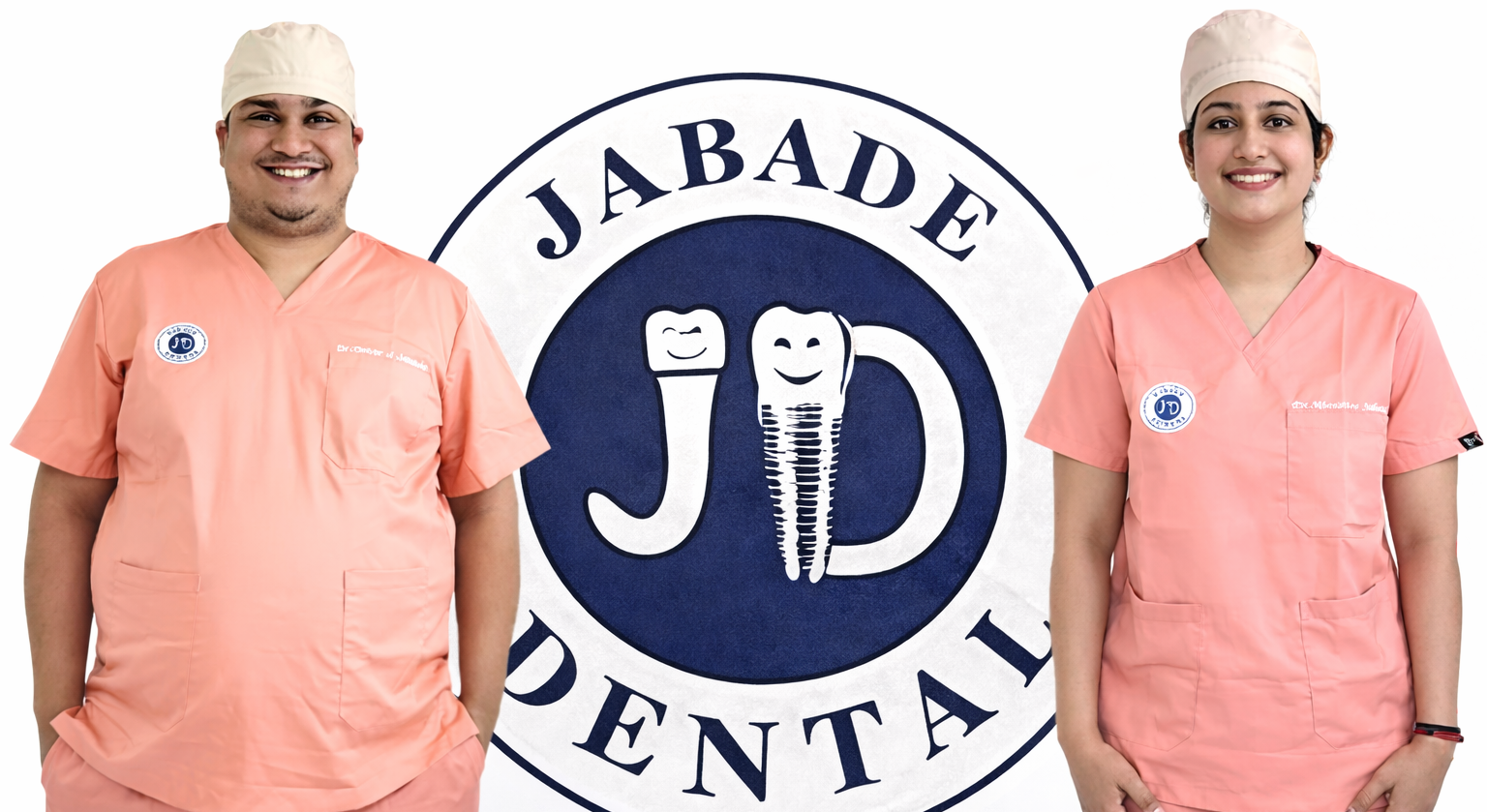
Losing one tooth or several teeth can affect appearance, chewing ability, speech, jawbone health and confidence. Contemporary implant dentistry provides options from a single tooth implant to full arch implants for individuals missing most or all teeth in a single jaw. Each treatment is planned according to oral health, bone condition, medical history and personal expectations. Learning about the procedure, healing timeline and expected costs can support informed decision-making. People comparing dental implants cost India, considering implants abroad for Americans or researching dental tourism India cost should focus on treatment quality, clinical experience, safety standards and long-term care rather than choosing by price alone.
What Is a Single Tooth Implant?
A single tooth implant is designed to replace a missing tooth independently without depending on adjacent teeth. The procedure typically includes inserting a small implant post into the jawbone at the site of the lost tooth root. Once healing occurs and the implant integrates with the bone, a custom-made crown is fitted to produce a natural-looking tooth replacement.
Unlike a conventional bridge, this approach generally does not require healthy teeth on either side of the gap to be reduced. The implant functions independently and helps transfer chewing pressure into the jawbone. Such stimulation can help minimise bone loss that often follows tooth extraction. A properly crafted crown can blend with adjacent teeth in form, colour and size.
A single tooth implant may be considered after tooth loss caused by decay, injury, gum disease, failed root canal treatment or congenital absence. Early assessment is helpful because the bone around an untreated gap can gradually reduce in height and width.
Eligibility for Dental Implants
Many individuals ask who can get dental implants and if age plays a limiting role. In most cases, adults become eligible once jaw development has finished. Eligibility is influenced more by overall health, bone condition and oral hygiene rather than age itself. Older adults may receive implants successfully when medical conditions are controlled and the mouth is healthy enough for surgery.
A dentist typically evaluates the gums, existing teeth, bite alignment and jawbone availability. Imaging may be used to measure bone volume and identify nearby structures. Patients should also discuss medicines, previous surgery, smoking habits, diabetes, heart conditions and any treatment that may affect healing.
Ongoing gum disease usually requires treatment before implants are placed. People with reduced bone may still qualify after bone grafting or through a treatment design suited to the available anatomy. Heavy smoking and poorly controlled medical conditions can increase the risk of delayed healing or implant complications. An individual clinical assessment is therefore essential.
How Single Tooth Implant Treatment Is Completed
The process starts with consultation, examination and thorough planning. The placement must ensure support for the final crown and a balanced bite. If a damaged tooth is present, it may be removed before or during implant placement depending on infection and bone status.
The implant is usually inserted under local anaesthesia. Some patients may receive a temporary tooth during healing, particularly when the gap is visible while smiling. The implant then needs time to fuse with the surrounding bone. Healing may take several weeks or months according to the treatment site, bone quality and whether additional procedures were required.
After stable integration, an abutment and final crown are fitted. The dentist checks appearance, contact with nearby teeth and pressure during biting. Mild soreness after surgery is common, but discomfort can usually be controlled with prescribed or recommended medication. Patients must follow guidance on hygiene, diet and activity during recovery.
Dental Implant Cost Considerations
The overall expense of implant treatment differs as each case has unique clinical needs. Factors such as implant type, system used, crown material, imaging, grafting, extractions and surgical complexity affect pricing. The dentist’s training, supporting clinical team and treatment facilities also contribute to pricing.
While comparing dental implants cost India, patients should seek a detailed plan outlining inclusions. A lower quote may exclude scans, temporary teeth, grafting, final restorations or follow-ups. Treatment quality should not be judged only by the cost of the implant fixture because planning, sterile technique, restorative design and maintenance are equally important.
People researching dental tourism India cost should also consider travel, accommodation, local transport and possible return visits. Implant treatment may require more than one clinical stage, so the proposed schedule should allow sufficient healing rather than compressing treatment for convenience.
All-on-4 Explained and Its Suitability
Patients asking what is all-on-4 and who is it best for are usually exploring fixed replacement options for a complete row of missing or failing teeth. All-on-4 dental implants use four carefully positioned implants to support a fixed full-arch restoration. The rear implants may be placed at an angle to make effective use of available bone and provide broad support for the new teeth.
This approach may be ideal for patients missing all teeth, having severely damaged teeth or facing issues with loose dentures. Bone quality, bite pressure, jaw anatomy, gum health and overall condition must be evaluated first.
In some cases, temporary fixed teeth can be provided soon what is all-on-4 and who is it best for after placement. These provisional restorations should be used cautiously during healing. The permanent restoration is placed once integration and tissue stability are achieved.
How All-on-4 Compares with Traditional Full Mouth Implants
The query how does all-on-4 compare to traditional full mouth implants does not have one fixed answer as treatment designs differ. The All-on-4 approach uses four implants to support one complete arch. Traditional full mouth reconstruction may use a larger number of implants, several bridges or individual implant crowns, depending on the remaining teeth and bone.
Using fewer implants may reduce surgical complexity and can sometimes limit the need for extensive grafting. However, forces are distributed across fewer supporting fixtures, so precise planning and correct bite design are vital.
Conventional setups with more implants offer additional support and segmental restoration options. The best option depends on anatomy, budget, hygiene capability and professional evaluation rather than trends.
All on 4 Cost and Full Arch Planning
The all on 4 cost is influenced by implant type, materials, planning, extractions, sedation, temporary restorations and final prosthesis. Cost varies depending on whether one or both jaws are treated. Additional procedures like grafting or sinus work may increase costs.
Patients considering full arch treatment should ask whether the estimate includes provisional teeth, final teeth, follow-up care and future maintenance. A well-designed prosthesis should support speech, chewing and facial aesthetics.
Full arch implant cases need ongoing professional monitoring. Cleaning beneath the bridge and attending regular maintenance appointments are essential.
Considering Implant Treatment in Another Country
Interest in implants abroad for Americans is commonly influenced by cost differences. International care may offer financial savings, but patients should examine professional qualifications, infection-control practices, implant documentation, treatment timelines and arrangements for complications.
A comprehensive plan should clearly state implant systems and materials used. Patients should understand how much healing time is required and whether later appointments are necessary.
Implant treatment should not be hurried to fit travel timelines. Proper evaluation and healing are essential for reliable outcomes. Clear communication between the patient, implant surgeon and restorative dentist helps reduce misunderstandings.
Final Thoughts
A single tooth implant replaces a missing tooth without affecting adjacent teeth, whereas All-on-4 and other full arch implants restore complete rows of missing teeth. Successful treatment depends on careful diagnosis, healthy gums, suitable bone, precise placement and a restoration designed for the patient’s bite. Cost evaluation should consider all stages of treatment, not just one quoted price. Whether done locally or abroad, patients should focus on expert planning, sufficient healing time and reliable long-term care. With correct evaluation and maintenance, implants can offer lasting function, natural aesthetics and improved confidence.